

KI-Sicherheitsdebatte: Mark Zuckerberg spricht sich gegen Entwicklungsstopp aus
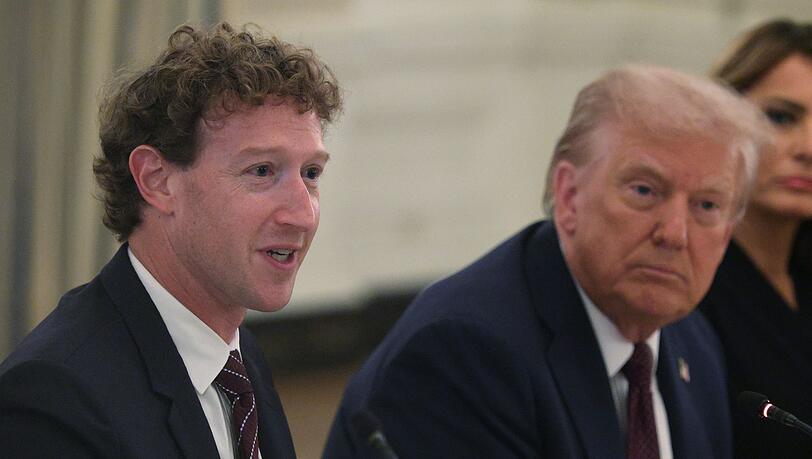
Mark Zuckerberg hat sich in die branchenweite Debatte über das Tempo der KI-Entwicklung eingeschaltet und sich gegen die Forderung nach einem branchenweiten Entwicklungsstopp ausgesprochen. In einem Beitrag auf der Plattform X positionierte sich der Meta-Chef damit näher an Nvidia-Chef Jensen Huang als an Anthropic-Gründer Dario Amodei.
Auslöser der Debatte war ein Essay Amodeis, der ein bewusstes Abbremsen der KI-Fähigkeiten forderte, bis die Sicherheitsforschung aufgeholt hat. OpenAI-Chef Sam Altman zeigte sich dem Ansatz gegenüber offen. Auch Elon Musk und Google-DeepMind-Chef Demis Hassabis unterstützten Amodeis Vorstoß. Dahinter steht die Sorge vor einem Kontrollverlust über immer leistungsfähigere KI-Systeme mit potenziell katastrophalen Folgen.
Zuckerberg widersprach dieser Argumentationslinie: "Jedes Labor trägt die Verantwortung und hat den Anreiz, in dem Tempo zu arbeiten, das nötig ist, um seine Modelle sicher zu trainieren - und die Möglichkeit, dies selbst sicherzustellen." Er verwies darauf, dass Labore erhebliches Haftungsrisiko trügen, sollten ihre Modelle Schaden anrichten, und sprach sich für mehr unabhängige Prüfer aus, die KI-Systeme testen.
Donald Trump drückt im KI-Wettlauf mit China aufs Tempo
Zuletzt hatte sich auch US-Präsident Donald Trump in die Debatte eingeklinkt und Sicherheitswarnungen vor KI als "Hoax", also "Schwindel" bezeichnet. Trump erklärte, bestehende staatliche Befugnisse reichten aus. Strengere Regeln könnten die USA im Wettbewerb mit China benachteiligen. Jensen Huang, Chef des Chip-Herstellers Nvidia, argumentierte in dieselbe Richtung wie Zuckerberg: Zusätzliche KI-Gesetze seien überflüssig, da bestehende Produkthaftungsregeln griffen. Er verglich die Lage mit der Luftfahrtbranche, in der Airlines selbst für Sicherheit sorgten.
Die Debatte fällt in eine Phase, in der Meta ohnehin unter verstärkter Beobachtung steht: Die Friedensnobelpreisträgerin Maria Ressa forderte in dieser Woche schärfere gesetzliche Grenzen für KI und Social Media und verwies dabei auf US-Klagen, die Meta zu Zahlungen von bis zu 18 Milliarden Dollar über das kommende Jahrzehnt sowie zu strengeren Vorgaben beim Jugendschutz auf Facebook und Instagram verpflichtet hatten.
Last month I wrote about how we can build a positive and safe future for everyone: t.co lab has the responsibility and incentive to move at the pace required to train its models safely, and the ability to take its own actions to ensure that happens.The reality is:- People won't want to use agents that are misaligned with them and that don't do what they ask, so labs have a strong natural incentive to make their models more aligned.There is a lot of debate about slowing progress on capabilities until alignment catches up. My view is that trust and alignment are quickly becoming the most important capabilities that will differentiate agents and models. Any lab that doesn't focus on alignment will fall behind.- Labs face significant liability if their models cause harm, so they have a strong incentive to prevent this as well.Meta delayed shipping Muse for several months to focus on safety and security. We didn't call for everyone else to do this before we would. We just did it as part of our day-to-day work because it was clearly the right thing for people and for us. I'm proud of the security foundations we've built.- Engaging independent evaluators and advisors is industry best practice. MSL already does this today in several areas because it helps produce better work. Other labs can just do this too. In general, it would be helpful for there to be a larger and more diverse ecosystem of evaluators.- Committing the significant majority of compute towards serving people rather than racing towards recursive self-improvement is one of the best ways to ensure we develop this technology safely. Meta has made this commitment and other labs can do this as well.I believe the key to building a positive future for everyone is maintaining the right balance of power. This is within our power to do.
— Mark Zuckerberg (@finkd) September 15, 2026
